Case studies
The business problem, the bet, the trade-offs and the results.The research, the explorations and the craft behind each decision.

Turning lost deals into a 0-to-1 AI betDesigning an AI Insight Wizard researchers could trust
Win/loss analysis showed we were losing on how our AI felt, not what it could do. I made the case to collapse the workflow into one AI experience, scoped v1 and launched it. The market’s verdict flipped from “not at par” to “the best AI in the market.”I wrote the prompts before opening Figma, tested every competitor's AI hands-on and QA'd each staging build. The result was a wizard that turns interview transcripts into grounded summaries with follow-up questions.

Removing the offline step that was losing credit card applicationsStreamlining document sharing for business credit cards
An email-based document step was causing drop-offs in a 5–7 day lending funnel and tying it to ops headcount. I made it self-serve in a one-month sprint: 100% in-app, with no dependency on support.Turned an offline, friction-heavy document submission process into a guided in-app experience, with layout explorations, reusable upload components and error states.
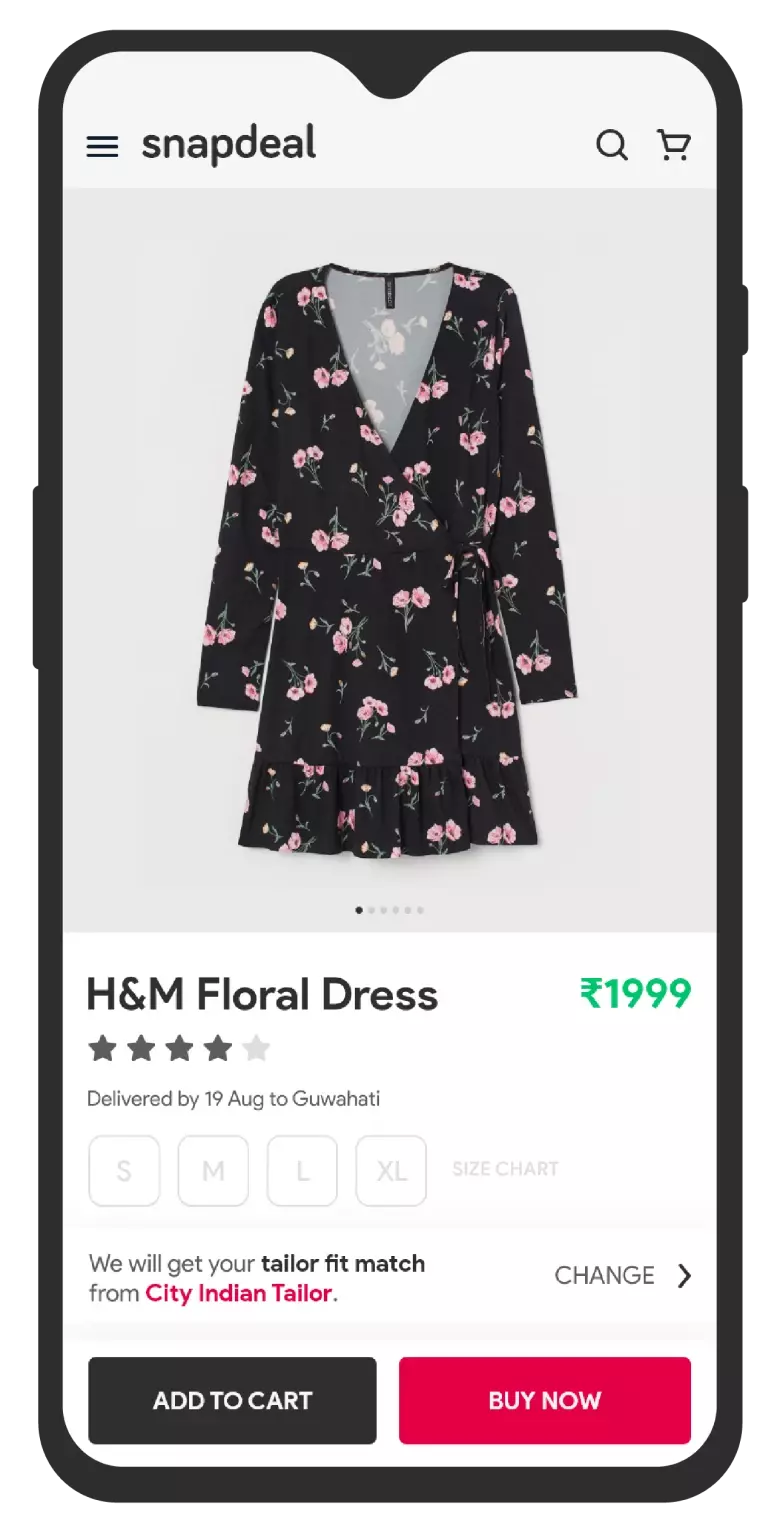
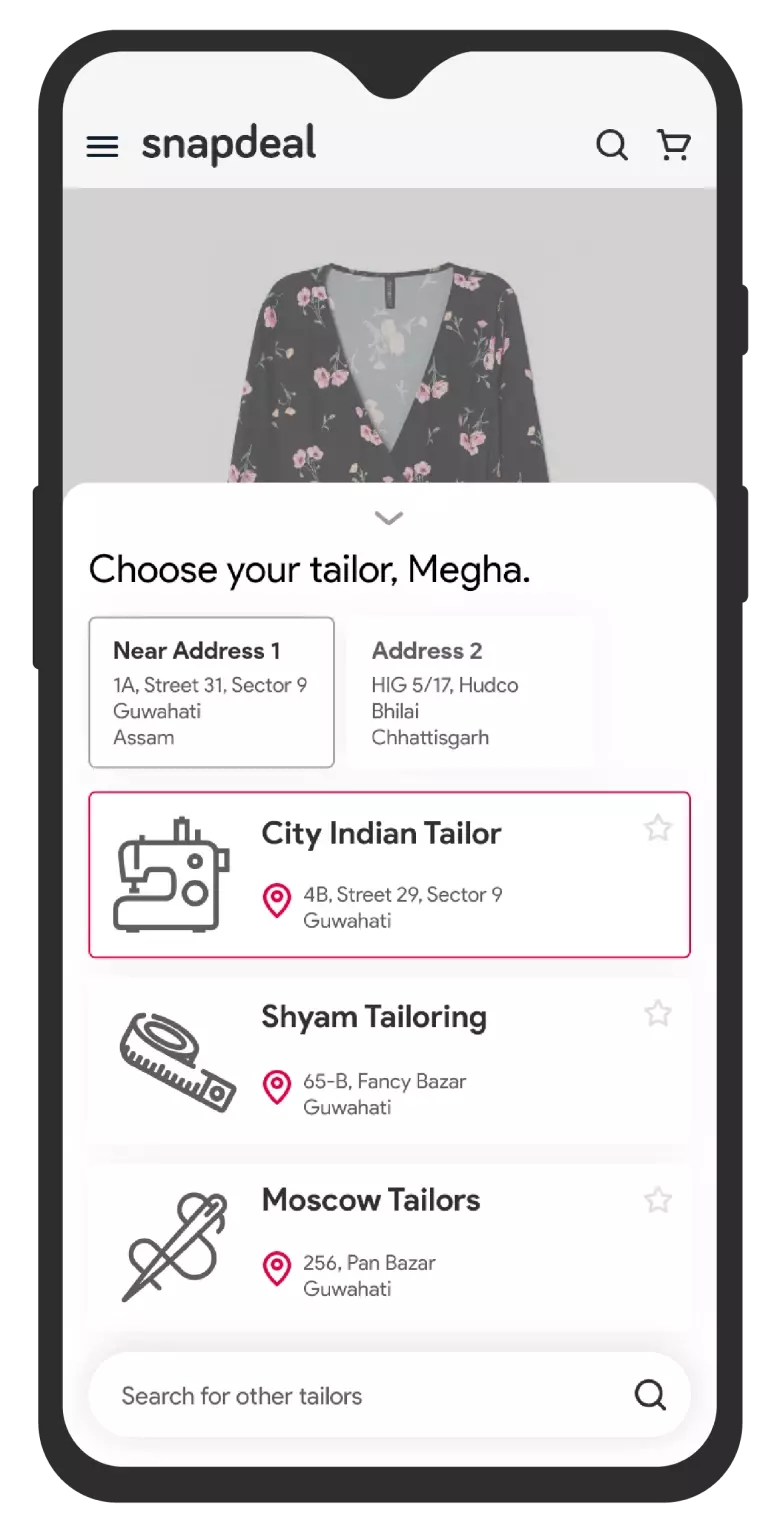
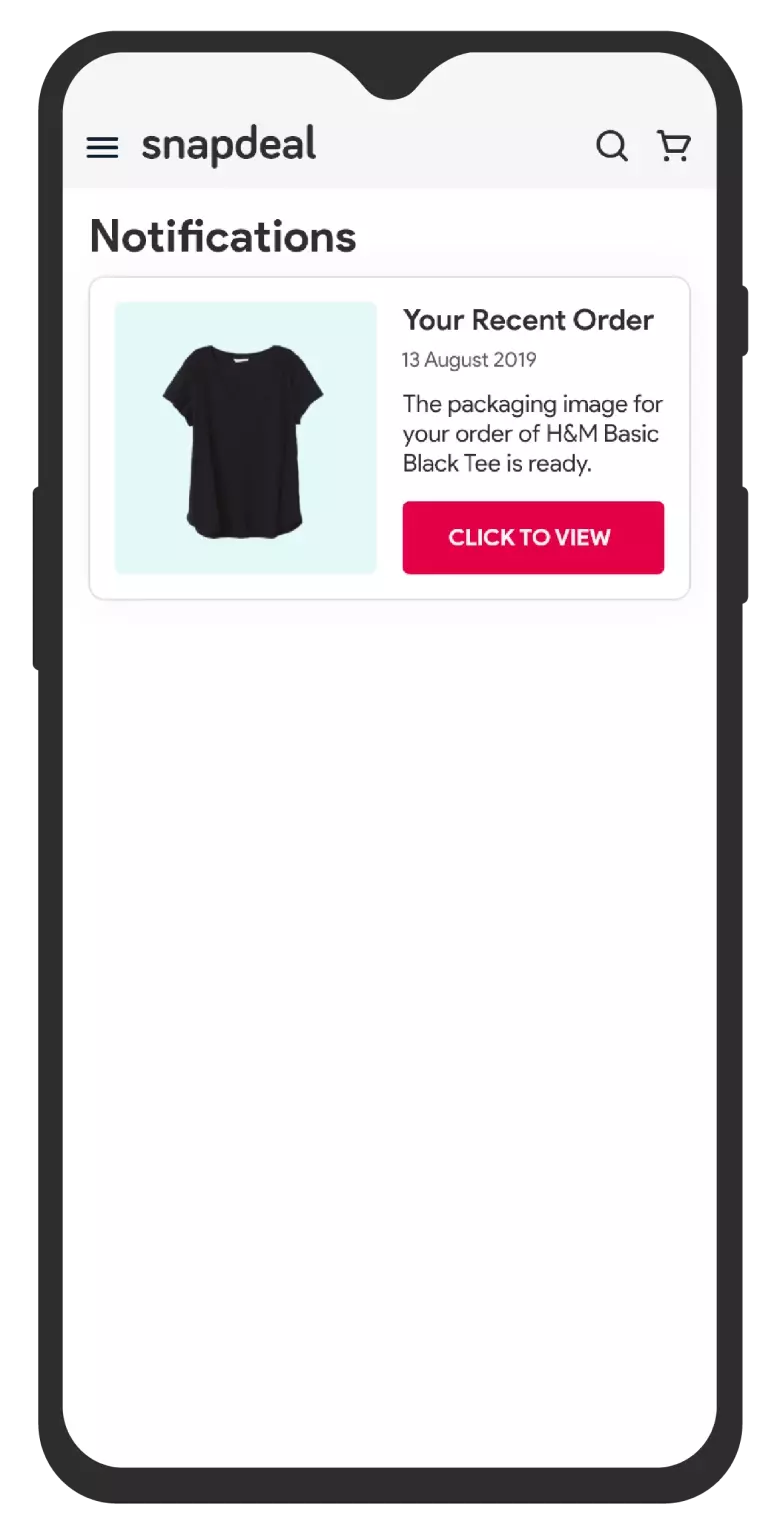
How a #4 player could compete on trust instead of priceWhy does everyone choose Amazon, but nobody chooses Snapdeal?
Market data, teardowns and interviews traced Snapdeal's bounce rate to a trust problem, and led to a strategy built on local tailors and shops. Published at ICoRD’21 (Springer).A heuristic evaluation, 10 interviews, two personas and a prototype covering tailor-verified fit, photos of the exact item being shipped and neighbourhood stores.

Emergency food aid that gets more nutritious while it waitsGreenAid: emergency food that grows more nutritious with time
Designed for both the relief agency and the person eating it: a ₹25–45 pack that grows microgreens while stored. Patent applications filed in India and the US.Visual research, recipe testing, seed selection and flood-proof packaging, with a collapsible seed compartment inspired by origami.